
Joan Bunning’s “Learning the Tarot” is a comprehensive guide, initially available as a website and later published in print, offering a structured path for beginners․
This resource, often found as a PDF, emphasizes practical application through exercises and a focus on understanding card interactions within spreads․
Bunning’s approach is known for its clarity and accessibility, making it a popular choice for those starting their tarot journey․
Overview of the Book
Joan Bunning’s “Learning the Tarot,” frequently accessed as a PDF, presents a systematic approach to understanding the tarot, moving beyond simple memorization of card meanings․ The book, spanning approximately 320 pages, meticulously covers both the Major and Minor Arcana, detailing each card’s symbolism and potential interpretations․
A key feature is its emphasis on card pairs – how cards interact when appearing together – and position pairs within spreads like the Celtic Cross, adding layers of nuance to readings․ Bunning doesn’t just teach what a card means, but how its meaning shifts based on its context․
The book is structured around lessons, each building upon the previous one, and includes practical exercises designed to reinforce learning․ It’s a well-written resource, though some readers note the exercises might flow better at the end of each lesson, mirroring the original website format․ The overall goal is to empower readers to develop their intuitive skills and confidently interpret the cards․
Target Audience: Beginners
Joan Bunning’s “Learning the Tarot,” readily available as a PDF, is explicitly designed for individuals with little to no prior experience with tarot․ The book avoids complex jargon and esoteric concepts, opting instead for a clear, straightforward presentation of the fundamentals․
It’s ideal for those who are completely new to the tarot and seeking a structured learning path․ Bunning’s approach breaks down the cards into manageable components, focusing on building a solid foundation of understanding before moving onto more advanced techniques․
While experienced readers might appreciate the detailed analysis, the book’s primary strength lies in its accessibility for novices․ The included exercises are particularly beneficial for beginners, providing hands-on practice to solidify their knowledge․ It’s a gentle introduction, fostering confidence and encouraging intuitive development․
Book Format and Accessibility
Joan Bunning’s “Learning the Tarot” initially gained popularity as a freely accessible website, learntarot․com, before being compiled into a printed book and widely distributed as a PDF․ This dual format enhances its accessibility, catering to diverse learning preferences;
The book itself is approximately 320 pages long and is praised for being well-written, though some readers note the exercises would be more convenient at the end of each lesson․ The website’s original structure influenced this organization․
The PDF version allows for easy portability and searching, making it a convenient resource for on-the-go study․ Its clear layout and straightforward language contribute to its user-friendliness․ Bunning’s commitment to making tarot accessible is reflected in the book’s design and presentation, ensuring a positive learning experience for all․

The Major Arcana in Bunning’s Approach
Joan Bunning’s “Learning the Tarot,” including the PDF version, systematically explores the Major Arcana, emphasizing each card’s symbolism and significance in readings․
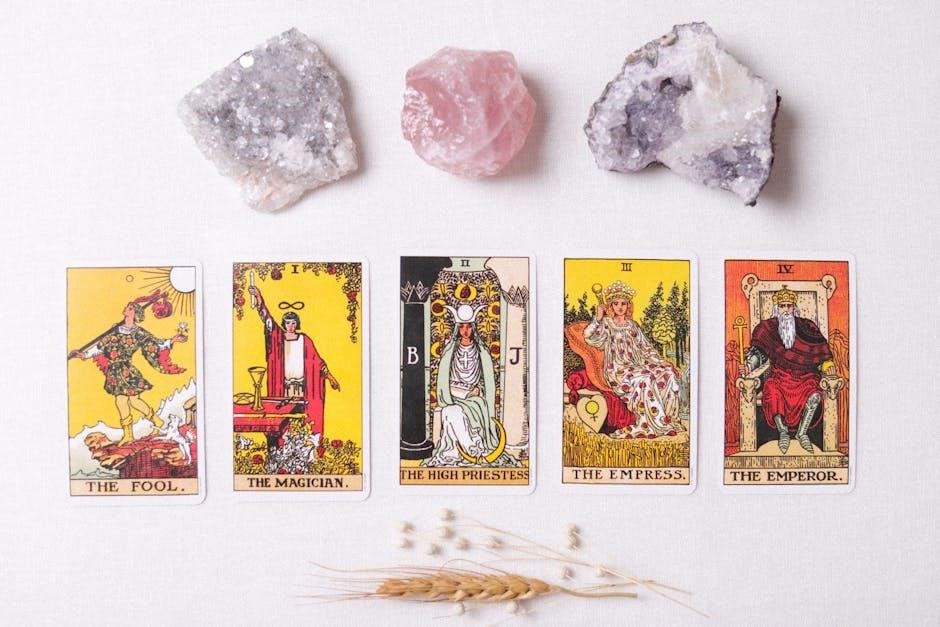
She provides foundational interpretations for cards like The Fool and The Magician․
The Fool: Beginning the Journey
Joan Bunning’s approach to The Fool, detailed in “Learning the Tarot” and its PDF format, presents this card as the quintessential starting point of the tarot journey․
She emphasizes The Fool isn’t about foolishness, but rather represents faith, new beginnings, and embracing the unknown with optimism․
Bunning highlights the card’s imagery – the carefree figure stepping towards a cliff – as symbolizing a leap of faith, trusting in the universe and one’s own intuition․
The Fool signifies potential and limitless possibilities, urging readers to release inhibitions and embrace spontaneity․
Bunning stresses that The Fool often indicates a fresh start, a new adventure, or a willingness to take risks, even if the path ahead isn’t entirely clear․
Understanding The Fool, according to Bunning, is crucial as it sets the tone for interpreting the entire Major Arcana and the unfolding narrative of a reading․
It’s a card of pure potential, ready to be shaped by experience and choice;
The Magician: Manifestation and Skill
Within Joan Bunning’s “Learning the Tarot,” available as a PDF, The Magician embodies power, skill, and the ability to manifest one’s desires into reality․
Bunning explains that this card isn’t about supernatural abilities, but rather about harnessing inner resources and utilizing available tools effectively․
The Magician’s imagery – displaying the four suits of the Minor Arcana – symbolizes mastery over all aspects of life and the capacity to transform ideas into tangible results․
Bunning emphasizes the importance of focus, willpower, and taking decisive action when The Magician appears in a reading․
It suggests a time of empowerment, where individuals possess the skills and confidence to achieve their goals․
She notes that the card can also indicate the need to develop one’s talents and embrace personal responsibility․
The Magician, according to Bunning, is a potent symbol of creation and the realization of potential through skillful application․
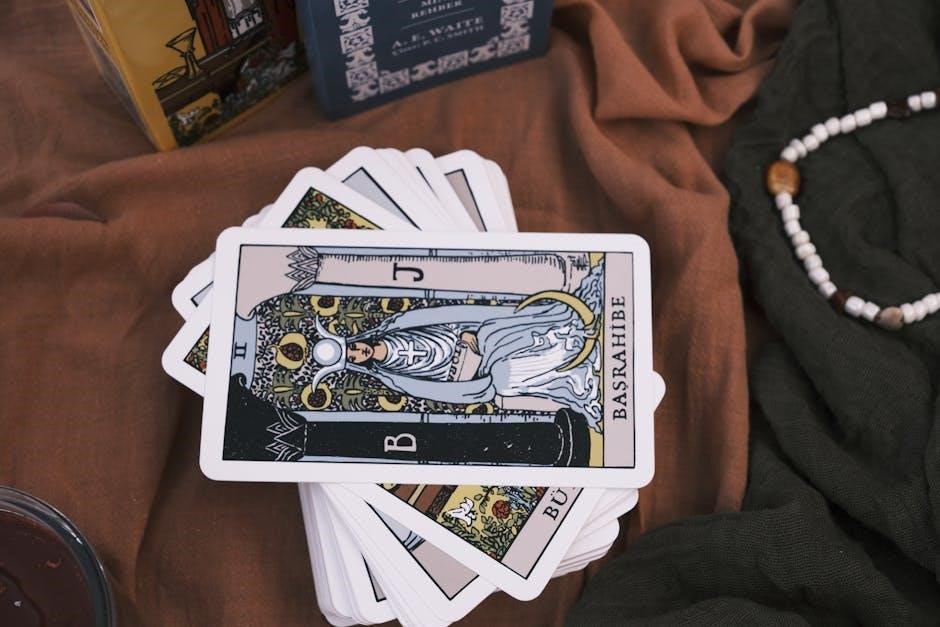
The High Priestess: Intuition and Inner Knowledge
According to Joan Bunning’s “Learning the Tarot,” often accessed as a PDF, The High Priestess represents intuition, mystery, and the realm of the subconscious mind․
Bunning details how this card signifies a deep connection to inner wisdom and the ability to access hidden knowledge beyond logical reasoning․
The imagery – often depicting a seated woman veiled in secrecy – symbolizes the unveiling of truths through introspection and quiet contemplation․
Bunning stresses that The High Priestess isn’t about actively seeking answers, but rather allowing them to emerge from within․
She highlights the importance of trusting one’s instincts and paying attention to dreams, symbols, and subtle cues․
The card suggests a time for reflection, spiritual exploration, and listening to the voice of intuition․
Bunning explains that The High Priestess encourages individuals to tap into their inner guidance and embrace the power of the unseen․
The Empress: Nurturing and Abundance
As detailed in Joan Bunning’s “Learning the Tarot,” readily available as a PDF resource, The Empress embodies nurturing, fertility, and abundance in all its forms․
Bunning explains that this card signifies a connection to the natural world, creativity, and the power of feminine energy․
The Empress represents a time of growth, prosperity, and sensual enjoyment, encouraging individuals to embrace pleasure and self-care․
Bunning emphasizes the card’s association with motherhood, not necessarily literal, but as a symbol of creation and the ability to bring ideas to fruition․
She notes the Empress’s energy is about enjoying the fruits of one’s labor and appreciating the beauty surrounding us․
The card suggests a period of harmony, balance, and a deep connection to one’s senses․
Bunning clarifies that The Empress invites us to cultivate self-love, embrace our creativity, and manifest abundance in our lives․
Understanding the Minor Arcana
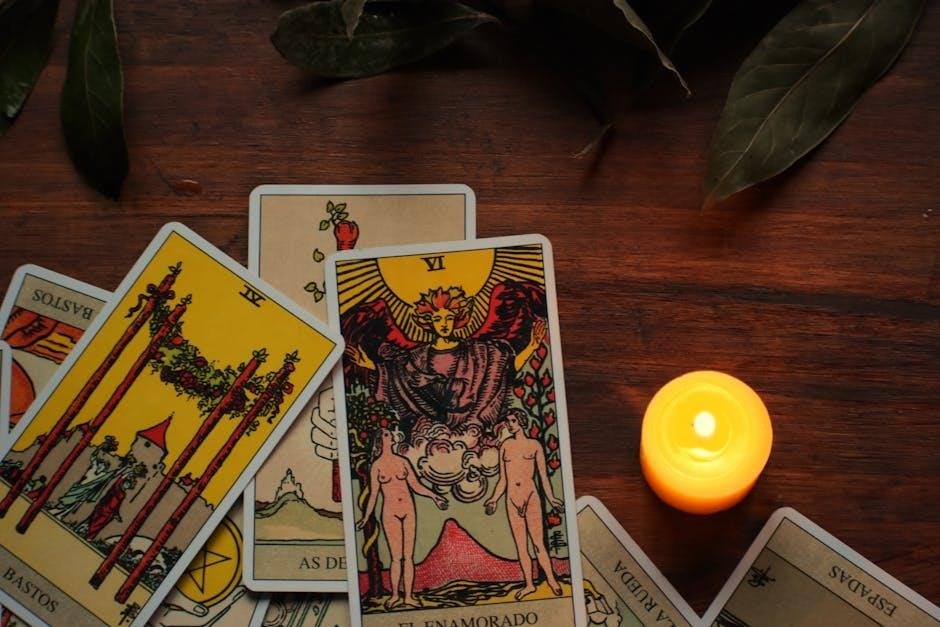
Joan Bunning’s “Learning the Tarot” PDF details the Minor Arcana’s four suits – Cups, Pentacles, Swords, and Wands – representing different life aspects․
She explains how these cards reflect daily experiences․
Suits of the Minor Arcana: Cups, Pentacles, Swords, Wands
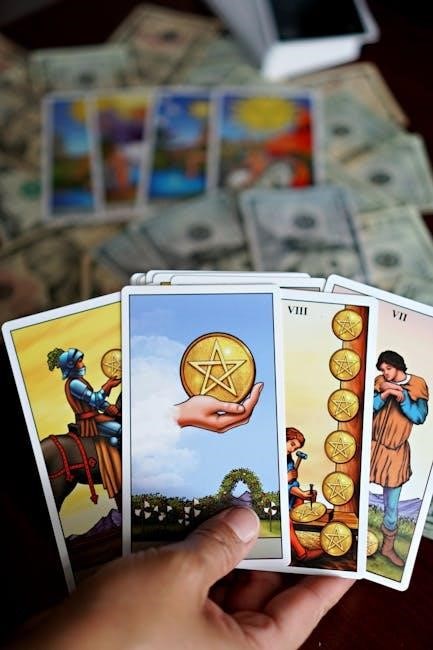
Joan Bunning’s “Learning the Tarot” PDF meticulously breaks down the Minor Arcana’s four suits, each embodying distinct energies and life areas․ Cups represent emotions, relationships, and intuition, focusing on the heart’s desires and inner feelings․
Pentacles, conversely, symbolize the material world – finances, career, and physical health – grounding us in practicality and security․ Swords delve into intellect, challenges, and truth, often indicating conflict or difficult decisions requiring clarity․
Finally, Wands ignite passion, creativity, and action, representing our drive, ambition, and spiritual energy․ Bunning emphasizes understanding these elemental associations to interpret cards accurately, noting how each suit’s progression from Ace to Ten and through the Court Cards reveals a narrative of growth and experience within its specific domain․
She provides keywords and associations for each suit to aid memorization and intuitive understanding․
Aces as New Beginnings
Within Joan Bunning’s “Learning the Tarot” PDF, Aces are consistently presented as potent symbols of fresh starts and untapped potential․ Each suit’s Ace – Cups, Pentacles, Swords, and Wands – signifies the emergence of a new energy in its respective life area․
The Ace of Cups, for example, represents a new emotional opportunity, while the Ace of Pentacles signals a new financial or material venture․ Bunning stresses that Aces aren’t necessarily about immediate success, but rather the potential for growth and the initial spark of an idea․
She encourages readers to view Aces as invitations to embrace change and actively pursue new paths․ Understanding the Ace’s energy, according to Bunning, is crucial for recognizing opportunities and harnessing their power․ She highlights that the Ace embodies pure, unmanifested potential, awaiting conscious direction․
Court Cards: Kings, Queens, Knights, Pages
Joan Bunning’s “Learning the Tarot” PDF dedicates significant attention to Court Cards – Kings, Queens, Knights, and Pages – moving beyond simple personality representations․ Bunning emphasizes viewing them as roles or aspects within ourselves, rather than solely depicting external people․
Kings embody mastery and control, Queens represent nurturing and inner wisdom, Knights signify movement and action, and Pages symbolize new beginnings and learning․ She details how each Court Card reflects the qualities of its suit, offering nuanced interpretations․
Bunning advises considering the context of the reading to determine whether a Court Card represents a person, an internal quality, or a situation․ She also explores “Card Pairs,” noting how Court Cards interact with others to create complex meanings․ Understanding these roles, as Bunning presents them, unlocks deeper layers of insight within a spread․
Key Concepts in Bunning’s Tarot System
Joan Bunning’s “Learning the Tarot” PDF highlights card pairings, position interactions within spreads like the Celtic Cross, and interpreting single cards for deeper meaning․
Card Pairs: Synergies and Interactions
Joan Bunning’s “Learning the Tarot” PDF places significant emphasis on understanding how cards interact when appearing together in a reading, moving beyond individual card meanings․
She details how certain card combinations – or “pairs” – create synergistic effects, modifying or amplifying each other’s interpretations․ For example, the pairing of the Empress and King of Cups suggests a nurturing and emotionally intelligent leader․
Bunning categorizes these pairings, including “opposing cards” which create tension or challenges, and those that “form a pair” naturally complementing each other․ This approach encourages readers to see a reading as a narrative, rather than a collection of isolated symbols․
Understanding these interactions is crucial for a nuanced and accurate interpretation, allowing for a more holistic understanding of the querent’s situation․ The PDF provides numerous examples to illustrate these concepts․
Position Pairs in Spreads (e․g․, Celtic Cross)
Joan Bunning’s “Learning the Tarot” PDF extends the concept of card pairings to include the positions within a spread, particularly the Celtic Cross․ She explains that each position has a specific meaning, and the interaction between a card and its position significantly alters its interpretation․
For instance, a card in the “outcome” position will be viewed differently than the same card in the “challenge” position․ Bunning details how to analyze these “position pairs,” considering both the card’s inherent meaning and the contextual influence of its location․
This approach moves beyond simply reading cards in isolation, encouraging a deeper understanding of the spread’s overall narrative․ The PDF provides guidance on interpreting common position pairings, enhancing the reader’s ability to synthesize information and provide insightful readings․
Mastering this technique is key to unlocking the full potential of complex spreads like the Celtic Cross․
Interpreting a Single Card
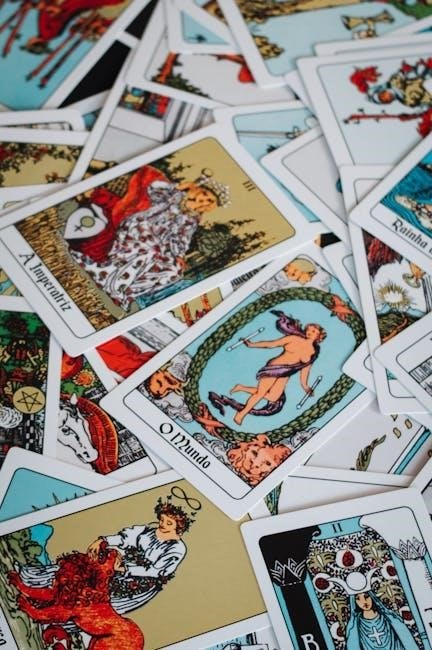
Joan Bunning’s “Learning the Tarot” PDF dedicates significant attention to the foundational skill of interpreting a single card, emphasizing that this is the building block for more complex readings․ She advocates for a multi-layered approach, beginning with identifying the card’s keywords and core symbolism․
However, Bunning stresses that a card’s meaning isn’t static; it’s influenced by the querent’s question and the overall energy surrounding the reading․ The PDF encourages readers to consider the card’s imagery, numerological significance, and elemental associations to develop a nuanced understanding․
She also highlights the importance of personal connection – allowing intuition to inform the interpretation alongside established meanings․ This method, detailed in the PDF, fosters a deeper, more personalized relationship with the cards, moving beyond rote memorization․
Ultimately, Bunning aims to empower readers to confidently decipher the messages conveyed by each individual card․
Practical Application & Exercises
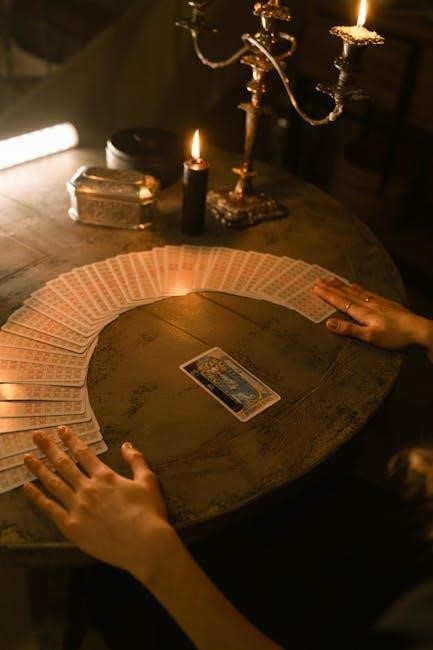
Joan Bunning’s “Learning the Tarot” PDF strongly emphasizes practical exercises, including daily readings and environmental focus, to solidify understanding and build confidence․
These lessons, found within the PDF, are designed to move beyond theory and into experiential learning․
Exercises for Each Lesson
Joan Bunning’s “Learning the Tarot” PDF distinguishes itself through its integrated exercise system, a cornerstone of her teaching methodology․ Unlike many introductory texts, Bunning doesn’t simply present card meanings; she actively encourages readers to apply that knowledge immediately․
Each lesson within the PDF is accompanied by specific exercises designed to reinforce the concepts covered․ These aren’t merely rote memorization tasks, but rather prompts for intuitive exploration and practical application․ Readers are guided to draw cards, interpret them in context, and record their observations․
The exercises progressively build in complexity, starting with single-card interpretations and gradually moving towards more elaborate spread analyses․ This structured approach ensures a solid foundation before tackling more challenging techniques․ The PDF format allows for easy note-taking directly within the document, fostering a personalized learning experience․ Bunning’s exercises are key to mastering her system․
The Daily Reading Exercise
A central practice advocated in Joan Bunning’s “Learning the Tarot” PDF is the “Daily Reading” exercise․ This isn’t a complex spread, but a simple, consistent method for deepening one’s connection with the cards and honing interpretive skills․
Bunning recommends drawing a single card each day and reflecting on its relevance to your current experiences․ The focus isn’t on predicting the future, but on using the card as a prompt for self-reflection and mindful awareness․ This daily practice encourages readers to move beyond memorized meanings and cultivate a more intuitive understanding․
The PDF emphasizes the importance of journaling these daily readings, noting the card drawn, initial impressions, and how its meaning unfolded throughout the day․ This consistent engagement fosters a personal dialogue with the Tarot, transforming it from a theoretical system into a practical tool for self-discovery․ It’s a cornerstone of Bunning’s approach․
Focus on the Environment
Joan Bunning’s “Learning the Tarot” PDF uniquely stresses the importance of the reading environment․ She believes external factors significantly influence both the reader and the cards, impacting interpretation․
Bunning advises creating a calm, quiet space free from distractions before beginning a reading․ This includes minimizing noise, ensuring comfortable lighting, and generally fostering a receptive atmosphere․ She suggests considering the energy of the room itself – is it cluttered or peaceful? – and how that might resonate with the cards․
The PDF encourages readers to be mindful of their own emotional state as well․ Are you feeling stressed or centered? This self-awareness is crucial for unbiased interpretation․ Bunning’s approach isn’t solely about the cards; it’s about the holistic interaction between reader, environment, and the symbolic language of the Tarot․
Advanced Techniques & Considerations
Joan Bunning’s “Learning the Tarot” PDF delves into reversed cards, narrative interpretation, and creating a cohesive story from the spread’s symbolism․
She emphasizes building upon foundational knowledge for deeper insights․
Reversed Cards: Exploring Shadow Meanings
Joan Bunning’s approach to reversed cards, detailed in her “Learning the Tarot” PDF, doesn’t view them simply as negative counterparts to upright meanings․
Instead, she encourages readers to see reversals as indicators of blocked energy, internal resistance, or aspects of the card’s meaning that are being expressed in a challenging or unconscious way․
Bunning suggests considering reversals as a call to look deeper, to examine what is hindering the positive expression of the card’s energy․
She emphasizes that reversed cards aren’t necessarily “bad,” but rather offer a nuanced perspective, revealing hidden obstacles or internal conflicts․
This perspective encourages a more thoughtful and introspective reading, moving beyond simplistic interpretations․

The PDF provides guidance on how to integrate reversed card meanings into a reading, fostering a more complete and accurate understanding of the situation at hand, and promoting self-awareness․
It’s about recognizing the shadow side of the archetype and understanding its influence․
Creating the Story: Narrative Interpretation
Joan Bunning’s “Learning the Tarot” PDF strongly advocates for narrative interpretation, moving beyond isolated card meanings to construct a cohesive story from the spread․
She emphasizes that the cards aren’t simply delivering fragmented messages, but rather contributing to a larger narrative unfolding․
Bunning encourages readers to consider the relationships between the cards, how they interact, and the overall flow of energy within the spread․
This involves identifying the central theme, the challenges, and the potential outcomes, weaving them together into a meaningful story․
The PDF highlights the importance of intuition and allowing the cards to “speak” to each other, revealing hidden connections and deeper layers of meaning․
It’s about recognizing the cards as characters in a play, each with their own role and motivation, contributing to the overall plot․
Ultimately, Bunning’s method fosters a dynamic and engaging reading experience, transforming tarot into a powerful tool for self-discovery and guidance․
Some Final Thoughts & Continued Learning
Joan Bunning’s “Learning the Tarot” PDF concludes with encouragement for ongoing practice and exploration, emphasizing that mastery isn’t a destination, but a continuous journey․
She stresses the value of consistent daily readings, not necessarily for complex questions, but to build familiarity with the cards and refine intuitive skills․
The PDF suggests revisiting previously studied material, experimenting with different spreads, and seeking out diverse perspectives on tarot interpretation․
Bunning advocates for personalizing the learning process, adapting her techniques to suit individual preferences and learning styles․
She reminds readers that the tarot is a tool for self-reflection and empowerment, and its true potential is unlocked through dedicated practice and open-minded exploration․
Continued learning involves not only studying the cards but also observing life’s patterns and applying tarot insights to real-world experiences․
Ultimately, Bunning’s final thoughts inspire readers to embrace the tarot as a lifelong companion on the path of self-discovery․