
Subaru 2016 Outback Manual: A Comprehensive Overview
This guide consolidates information regarding the 2016 Subaru Outback‚ drawing from online discussions about manuals‚ remote issues‚ and DPF concerns.
The 2016 Subaru Outback represents a versatile and capable vehicle‚ popular for its standard all-wheel drive and spacious interior. Online forums reveal consistent user interest in accessing service and owner’s manuals for models like the Outback‚ alongside the Impreza and Forester. Discussions frequently center around troubleshooting common issues‚ such as remote key fob malfunctions – a recurring problem reported for the 2007 Outback‚ where the remote may require multiple presses to operate correctly.
Furthermore‚ concerns regarding Diesel Particulate Filters (DPF) have surfaced‚ particularly in Forester models‚ even after regeneration attempts. Understanding the intricacies of the 2016 Outback‚ therefore‚ necessitates access to detailed documentation‚ covering everything from routine maintenance to addressing these frequently reported challenges. This overview aims to provide a starting point for Outback owners seeking comprehensive information.
Understanding the Owner’s Manual
The Subaru Outback’s owner’s manual is a crucial resource‚ detailing everything from basic operation to complex system explanations. Online discussions highlight a demand for these manuals‚ with users actively seeking workshop and service guides for various Subaru models‚ including the Impreza and Legacy. These resources are invaluable for DIY maintenance and understanding vehicle specifics.
However‚ forums also reveal practical issues owners face – like intermittent remote key fob operation – that the manual can help diagnose. Furthermore‚ understanding the manual’s guidance on systems like the DPF‚ even though less common in the 2016 Outback‚ is vital for preventative maintenance and recognizing potential problems. Accessing and thoroughly reviewing the owner’s manual empowers Outback owners to maximize their vehicle’s performance and longevity.

Key Features and Specifications
The 2016 Outback’s manual details engine options‚ transmission choices‚ and advanced safety technologies‚ alongside specifications relevant to maintenance and troubleshooting.
Engine and Performance Details
The 2016 Subaru Outback typically features a 2.5-liter naturally aspirated four-cylinder engine‚ delivering a balance of fuel efficiency and adequate power for everyday driving. Discussions online highlight the engine’s reliability‚ though some users mention potential issues with oil consumption in older models.
Performance-wise‚ the Outback prioritizes comfortable cruising and all-weather capability over outright speed. The symmetrical all-wheel-drive system is a key component‚ providing enhanced traction and stability. The manual‚ likely referencing these aspects‚ would detail horsepower and torque figures‚ alongside recommended fuel grades.
Owners discussing the vehicle often mention its suitability for light off-roading and towing‚ capabilities supported by the engine’s design and the robust drivetrain. The manual would provide specific limitations regarding towing capacity and appropriate driving techniques.
Transmission Options (Manual Focus)
While the 2016 Subaru Outback predominantly featured a Continuously Variable Transmission (CVT)‚ a six-speed manual transmission was offered on specific trim levels‚ catering to drivers who prefer a more engaging driving experience. The owner’s manual dedicates a section to the nuances of operating this manual gearbox.
Discussions online rarely focus on the manual Outback‚ suggesting it’s a less common variant. However‚ the manual details proper shifting techniques‚ clutch operation‚ and gear ratios. It also likely covers hill-start assist functionality‚ crucial for manual drivers.
Maintenance specific to the manual transmission‚ such as gearbox oil changes‚ is also outlined. Understanding these details is vital for preserving the longevity and smooth operation of the manual drivetrain.
Safety Features and Technology
The 2016 Subaru Outback prioritized safety‚ incorporating Subaru’s renowned Symmetrical All-Wheel Drive as standard. The owner’s manual details the operation of EyeSight Driver Assist Technology‚ if equipped‚ including Adaptive Cruise Control and Pre-Collision Braking.
Beyond these advanced systems‚ the manual outlines the functionality of standard safety features like Anti-lock Braking (ABS)‚ Vehicle Stability Control (VSC)‚ and a comprehensive airbag system.

Online forums occasionally mention remote key fob issues‚ potentially impacting security. The manual likely provides troubleshooting steps for these problems. Understanding the interplay between these technologies and features‚ as described in the manual‚ is crucial for safe operation.
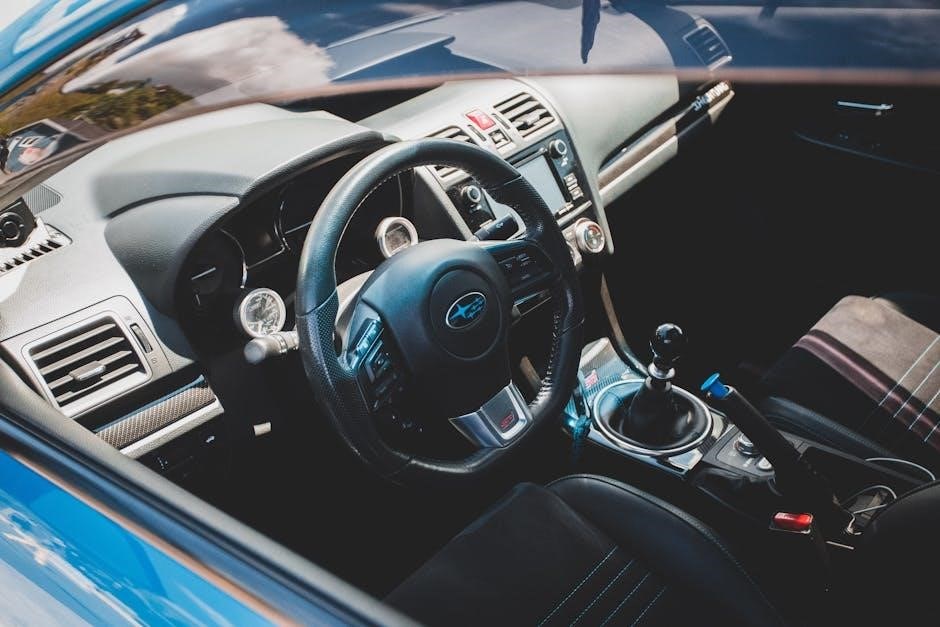
Operating Your 2016 Outback (Manual Transmission)
This section details procedures for starting‚ stopping‚ and effectively shifting gears‚ emphasizing proper clutch usage for a smooth driving experience.
Starting and Stopping Procedures
To start your 2016 Outback with a manual transmission‚ ensure the parking brake is engaged and the gearshift is in neutral. Depress the clutch pedal fully‚ then turn the ignition key to the ‘start’ position. Once the engine fires‚ gradually release the clutch while gently applying pressure to the accelerator.
For stopping‚ begin by downshifting through the gears as your speed decreases. Depress the clutch pedal fully as you approach a complete stop. Apply the brakes smoothly and progressively to avoid abrupt deceleration. Once stopped‚ keep the clutch depressed or shift into neutral to prevent stalling. Finally‚ engage the parking brake for secure immobilization. Remember consistent practice is key to mastering these procedures.
Shifting Gears Effectively
Mastering gear changes in your 2016 Outback manual requires coordination. Depress the clutch pedal fully‚ simultaneously moving the gearshift lever to the desired gear. Release the clutch smoothly while gently applying throttle. Avoid abrupt clutch release to prevent jerking or stalling.
Downshifting involves selecting a lower gear to match your speed‚ aiding in engine braking and preparing for acceleration. Rev-matching – briefly blipping the throttle during downshifts – creates a smoother transition. Pay attention to engine RPMs; shifting too early or late reduces efficiency; Practice smooth‚ deliberate shifts for optimal control and a comfortable driving experience.
Using the Clutch Properly
The clutch is vital for smooth operation of your 2016 Outback’s manual transmission. Fully depress the clutch pedal before each gear change to disengage the engine from the wheels. Release it gradually while applying throttle to engage power smoothly. Avoid “riding” the clutch – partially depressing it while driving – as this causes premature wear.
Ensure complete clutch disengagement to prevent grinding gears. A properly functioning clutch should engage smoothly without shuddering. Listen for unusual noises‚ indicating potential issues. Regular inspection and timely replacement are crucial for maintaining optimal performance and preventing costly repairs.
Hill Start Assist Control
Your 2016 Subaru Outback features Hill Start Assist Control‚ designed to simplify starting on inclines. When detected‚ the system briefly holds the brakes after you release the pedal‚ preventing rollback. This provides crucial time to move your foot from the brake to the accelerator.
The system activates automatically on slopes exceeding a certain degree. A flashing indicator light on the dashboard confirms activation. While helpful‚ don’t solely rely on it; be prepared to use the handbrake if needed. Proper clutch control remains essential for smooth hill starts‚ even with this assistance.

Maintenance and Care
Regular upkeep‚ including fluid checks‚ tire rotations‚ and adherence to the recommended schedule‚ ensures optimal performance and longevity for your 2016 Subaru Outback.
Recommended Maintenance Schedule
Maintaining your 2016 Subaru Outback requires a consistent schedule to ensure reliability and prevent costly repairs. Every 5‚000 miles (or 6 months)‚ oil changes are crucial‚ alongside tire rotations and inspections of vital fluids like coolant‚ brake‚ and power steering fluid.
At 15‚000 miles‚ add inspections of the drive belts‚ hoses‚ and exhaust system. Around 30‚000 miles‚ consider replacing the air filter‚ cabin air filter‚ and inspecting the fuel lines. Further maintenance at 60‚000 miles includes spark plug replacement and a more thorough inspection of suspension components.
Remember to consult your owner’s manual for specific intervals and recommendations tailored to your driving conditions. Following this schedule will help preserve your Outback’s performance and value.
Fluid Checks and Replacements
Regularly checking and replacing fluids is vital for your 2016 Subaru Outback’s health. Engine oil should be inspected monthly and changed every 5‚000-7‚500 miles‚ depending on driving conditions. Coolant levels need monitoring‚ with a full flush recommended every 60‚000 miles.
Brake fluid absorbs moisture‚ reducing effectiveness; flush it every two years. Power steering fluid should be checked for leaks and discoloration‚ replacing as needed. Transmission fluid‚ especially crucial for manual transmissions‚ requires inspection and changes according to the owner’s manual – typically around 30‚000-60‚000 miles.
Differential and gearbox oil also need periodic attention. Proper fluid levels and quality ensure smooth operation and prevent component wear.
Tire Maintenance and Rotation
Maintaining proper tire pressure is crucial for safety‚ fuel efficiency‚ and even tire lifespan on your 2016 Subaru Outback. Check pressures monthly using a reliable gauge‚ referencing the sticker on the driver’s side doorjamb for recommended PSI. Inspect tires for uneven wear‚ cuts‚ or bulges regularly.
Tire rotation is essential to promote even wear. Subaru recommends rotating tires every 5‚000-7‚500 miles. A typical rotation pattern involves moving the rear tires to the front‚ crossing them over‚ and then moving the front tires to the rear.
Ensure proper wheel alignment to prevent premature or uneven tire wear.

Troubleshooting Common Issues
Common problems reported include remote key fob malfunctions and‚ less frequently‚ DPF issues. Diagnostic tools can help identify check engine light causes.
Remote Key Fob Problems
Several Subaru Outback owners‚ specifically those with 2007 models imported from the USA‚ have reported intermittent issues with their remote key fobs. A recurring symptom is the need to press the button multiple times to successfully unlock all doors.
The issue often manifests as only the driver’s door unlocking on the first press‚ requiring a second press for the remaining doors to respond. Sometimes‚ even a second attempt fails to unlock all doors‚ necessitating repeated button presses.
While the exact cause isn’t always clear‚ it suggests a potential problem with the fob’s internal circuitry or a weakening signal. Checking the battery is a good first step‚ but the issue may persist even with a fresh battery. Further diagnostics might be required to pinpoint the root cause.
DPF Issues (Though less common in 2016 Outback)
While the 2016 Subaru Outback is less frequently associated with Diesel Particulate Filter (DPF) problems compared to some Forester models‚ issues can still arise. Owners have reported experiencing illuminated DPF warning lights‚ initially appearing as a steady orange indicator.
This often progresses to a flashing DPF light accompanied by a Check Engine light‚ signaling a more serious issue. A common scenario involves the DPF requiring regeneration‚ but failing to complete the process successfully.
Following a DPF regeneration attempt‚ the same problems can reoccur‚ indicating a potential underlying fault. Addressing DPF issues promptly is crucial to prevent further engine damage and maintain optimal performance.
Check Engine Light Diagnostics
When the Check Engine Light illuminates in your 2016 Subaru Outback‚ it signals a detected malfunction within the vehicle’s emission control system. Initial steps involve visually inspecting the gas cap for proper sealing‚ as a loose cap can trigger the light.
However‚ a persistent light necessitates utilizing an OBD-II scanner to retrieve Diagnostic Trouble Codes (DTCs). These codes provide valuable clues regarding the source of the problem‚ ranging from minor sensor failures to more significant engine issues.
Online forums and Subaru support resources can assist in interpreting these codes‚ guiding owners towards potential solutions or professional diagnosis. Ignoring the Check Engine Light can lead to worsened conditions and costly repairs.

Specific Manual Transmission Concerns
Manual Outback transmissions may experience clutch wear‚ synchromesh issues‚ or require gearbox oil changes—common concerns discussed in Subaru owner communities online.
Clutch Wear and Replacement
Understanding clutch wear is crucial for manual Subaru Outback owners. Frequent‚ aggressive driving‚ particularly with frequent starts and stops‚ or consistent hill climbing‚ accelerates wear. Symptoms include slipping – where engine RPMs rise without a corresponding increase in speed – difficulty shifting‚ and a feeling of softness or sponginess in the pedal.
Regular inspection is recommended. Replacement typically involves removing the transmission‚ making it a moderately complex job best left to experienced mechanics. Costs vary depending on parts (clutch kit‚ release bearing‚ flywheel resurfacing) and labor rates. Online Subaru forums frequently discuss clutch lifespan and recommended aftermarket options for enhanced performance or durability. Ignoring early signs of wear can lead to more extensive and costly repairs down the line‚ potentially damaging the flywheel or transmission itself.

Synchromesh Issues
Synchromesh problems in the 2016 Outback’s manual transmission manifest as difficulty engaging specific gears‚ often accompanied by grinding noises. This typically occurs during quick shifts or when attempting to shift into gear at incorrect speeds. Worn synchronizers struggle to match the rotational speed of the gear and the main shaft‚ leading to the grinding.
Proper shifting technique – fully depressing the clutch and allowing sufficient time for gear engagement – can mitigate some issues. However‚ persistent grinding indicates internal wear. Repair usually requires transmission disassembly and synchronizer replacement‚ a complex task. Online communities discuss potential causes‚ including low gearbox oil or aggressive driving habits. Ignoring synchromesh issues can lead to further damage to the gearbox‚ necessitating a complete rebuild or replacement.
Gearbox Oil Changes

Regular gearbox oil changes are crucial for maintaining the health of the 2016 Outback’s manual transmission. Subaru recommends specific oil types – typically a GL-5 75W-90 gear oil – to ensure proper lubrication and synchronizer function. Neglecting oil changes leads to increased friction‚ wear‚ and potential synchromesh issues‚ as discussed in online forums.
The recommended interval varies‚ but generally‚ a change every 30‚000 to 60‚000 miles is advised‚ especially with frequent towing or spirited driving. The process involves draining the old oil‚ replacing the drain plug washer‚ and filling with the correct amount of new oil. Proper disposal of used oil is essential. Monitoring oil condition – looking for metal shavings or a burnt smell – can indicate internal wear and the need for more frequent changes.

Additional Resources
Explore Subaru support websites‚ online Outback forums‚ and dedicated repair manuals for detailed information and community assistance regarding your 2016 model;
Online Forums and Communities
Engaging with online Subaru communities provides a valuable platform for owners of the 2016 Outback to share experiences‚ troubleshoot issues‚ and access collective knowledge. These forums often contain detailed discussions about manual transmission specifics‚ including clutch wear‚ synchromesh problems‚ and gearbox oil changes. Users frequently report issues like intermittent remote key fob operation‚ a common concern noted in online posts‚ and discuss potential solutions.
Furthermore‚ these communities are excellent resources for diagnosing problems like the Check Engine Light‚ and understanding potential DPF (Diesel Particulate Filter) issues‚ though less prevalent in the 2016 Outback’s gasoline engines. Participating in these forums allows owners to benefit from the practical advice of experienced Outback enthusiasts and gain insights beyond the official owner’s manual.
Subaru Support Website
The official Subaru Support website serves as a primary resource for 2016 Outback owners seeking detailed information and assistance. It provides access to digital versions of the owner’s manual‚ covering all aspects of vehicle operation‚ maintenance‚ and safety features. While focused on general Outback information‚ it’s a crucial starting point for understanding vehicle specifications and recommended service intervals.
Users can often find FAQs addressing common concerns‚ though specific manual transmission troubleshooting may be limited. The website also facilitates locating authorized Subaru service centers for professional repairs and maintenance. While online forums offer peer-to-peer support‚ Subaru’s official site provides verified information and access to warranty details‚ ensuring owners receive accurate guidance for their 2016 Outback.
Repair Manuals and Guides
Beyond the official owner’s manual‚ comprehensive repair manuals offer in-depth technical details for the 2016 Subaru Outback. These guides‚ often available in both physical and digital formats‚ provide step-by-step instructions for diagnosing and repairing various components‚ including the manual transmission system. They are invaluable for experienced DIY mechanics tackling more complex maintenance tasks like clutch replacement or synchromesh repairs.
While workshop manuals specific to the 2016 Outback may require purchase‚ online resources and forums sometimes host scanned copies or links to relevant documentation. These resources complement the official Subaru support materials‚ offering a deeper understanding of the vehicle’s mechanics and aiding in effective troubleshooting and repair.