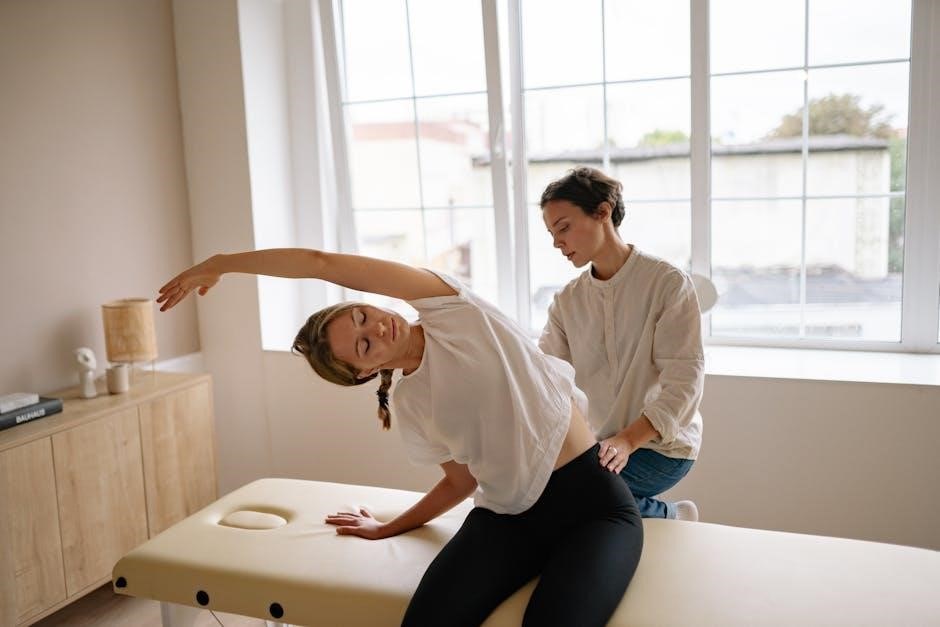
Scoliosis Rehabilitation Exercises PDF: A Comprehensive Guide
Discover a wealth of scoliosis rehabilitation resources, including downloadable PDF guides detailing Schroth method exercises and PSSE techniques. These programs offer
personalized approaches to improve spinal curvature and overall well-being, accessible online for proactive management.
Understanding Scoliosis
Scoliosis, defined as an abnormal sideways curvature of the spine, impacts individuals differently, necessitating tailored rehabilitation approaches. A crucial first step involves grasping the condition’s nuances, often explored through comprehensive PDF guides detailing various curve types and their implications. These resources emphasize that, viewed from the back, a healthy spine appears straight, while scoliosis presents as a noticeable deviation.
Understanding the specifics of your curve – whether it’s a ‘C’ or ‘S’ shape – is vital for selecting appropriate exercises. PDF materials often illustrate these curves, aiding self-assessment and communication with healthcare professionals. Furthermore, recognizing the potential for progression is key; early intervention, guided by scoliosis-specific exercises (PSSE) like the Schroth method, can significantly influence outcomes.
These exercises, frequently available as downloadable PDFs, aren’t merely about straightening the spine; they focus on three-dimensional correction, addressing rotation and sagittal plane imbalances. Accessing these resources empowers patients to actively participate in their rehabilitation journey, supplementing clinical treatment with a consistent home exercise program.
What is Scoliosis?
Scoliosis is characterized by a lateral (sideways) curvature of the spine, often accompanied by vertebral rotation. While a slight curvature is common, scoliosis is diagnosed when the curve exceeds 10 degrees. Detailed PDF resources explain this measurement and its significance in determining treatment pathways, including scoliosis-specific exercises (PSSE).
The condition isn’t simply a visual deformity; it can impact breathing, rib cage symmetry, and overall body mechanics. PDF guides frequently include illustrations demonstrating these effects, enhancing patient understanding. Importantly, scoliosis can occur at any age, though adolescent idiopathic scoliosis – appearing during growth spurts – is the most prevalent form.
Rehabilitation, utilizing exercises like those found in Schroth method PDFs, aims to address the three-dimensional nature of the curve. These aren’t generic stretches; they’re specifically designed to de-rotate, elongate, and stabilize the spine. Understanding that scoliosis is a complex condition, requiring a multifaceted approach, is crucial for successful management and improved quality of life.
Types of Scoliosis
Scoliosis manifests in various forms, each requiring a tailored rehabilitation approach, often detailed in specialized PDF guides. Idiopathic scoliosis, the most common type, has no known cause, frequently diagnosed during adolescence. Congenital scoliosis arises from vertebral malformations present at birth, demanding early intervention and specific exercise protocols.
Neuromuscular scoliosis results from underlying neurological conditions like cerebral palsy or muscular dystrophy, impacting muscle control and spinal stability. PDF resources emphasize the importance of adapting exercises to individual functional abilities in these cases. Degenerative scoliosis, typically affecting adults, stems from age-related wear and tear on the spine.
Understanding the specific type is vital, as it dictates the exercise strategy. Schroth method PDFs often categorize exercises based on curve patterns associated with different scoliosis types. Furthermore, the severity of the curve – measured in degrees – influences the intensity and complexity of the rehabilitation program, as outlined in comprehensive PDF materials.
Causes and Risk Factors
Scoliosis development is often multifaceted, with causes ranging from genetic predisposition to environmental factors, information frequently detailed in scoliosis rehabilitation PDFs. While many cases are idiopathic – meaning the cause is unknown – certain factors increase susceptibility. Family history plays a role, suggesting a hereditary component, and PDF guides often advise screening for relatives.
Neuromuscular conditions like cerebral palsy and muscular dystrophy significantly elevate risk, requiring specialized exercise programs outlined in dedicated PDF resources. Congenital defects present at birth can also lead to spinal curvature. Age is a factor, with adolescent idiopathic scoliosis being most prevalent during growth spurts.
Gender also influences risk; females are more likely to develop severe curves. Access to PDF materials emphasizing early detection and intervention is crucial. Understanding these causes and risk factors empowers individuals to proactively manage their spinal health, utilizing tailored exercise regimens detailed in comprehensive scoliosis rehabilitation PDFs.
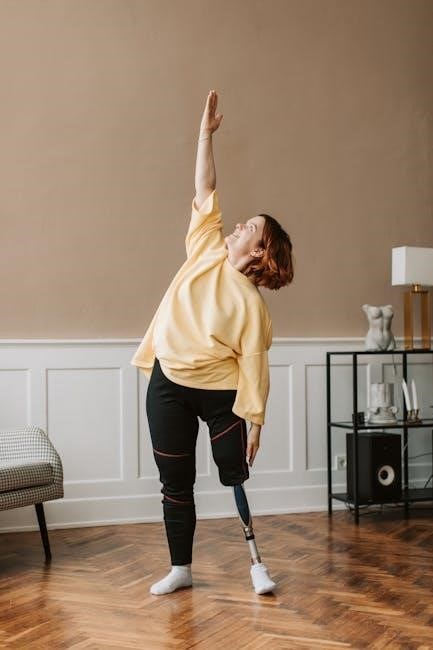
The Role of Exercise in Scoliosis Rehabilitation
Exercise, particularly Scoliosis-Specific Exercises (PSSE) detailed in PDF guides, is vital for rehabilitation. It aims to correct curvature, strengthen muscles, and improve overall function.
Benefits of Scoliosis-Specific Exercises (PSSE)
Scoliosis-Specific Exercises (PSSE), often found in comprehensive PDF resources, offer a targeted approach to managing spinal curvature. Unlike general exercises, PSSE, like the Schroth method, are designed to address the three-dimensional nature of scoliosis; These exercises aim to de-rotate, elongate, and correct postural imbalances specific to each individual’s curve pattern.
PDF guides detailing PSSE demonstrate how these exercises can improve spinal alignment, reduce pain, enhance breathing capacity, and increase core stability. They promote neuromuscular re-education, teaching patients to actively engage muscles to support the spine in a corrected position. Furthermore, PSSE can help prevent curve progression, particularly in adolescents undergoing growth spurts.
The benefits extend beyond physical improvements; PSSE can also boost self-confidence and improve body image. Accessing PDF materials allows for convenient home practice, fostering patient independence and adherence to the rehabilitation program. Scientific literature, often referenced within these PDFs, supports the effectiveness of PSSE as a valuable component of scoliosis treatment.
Goals of Exercise Therapy
Exercise therapy, detailed in numerous scoliosis rehabilitation PDF guides, aims to achieve multifaceted goals beyond simply reducing the spinal curve. A primary objective is to halt the progression of scoliosis, particularly during adolescent growth. PDF resources emphasize that consistent exercise can strengthen supporting muscles, improving spinal stability and reducing the risk of curve worsening.
Another key goal is pain management. Scoliosis can cause discomfort, and targeted exercises, as outlined in PDF programs like the Schroth method, can alleviate muscle imbalances and reduce pain levels. Improving respiratory function is also crucial, as spinal curvature can restrict lung capacity; PDFs often include specific breathing exercises.
Furthermore, exercise therapy seeks to enhance postural awareness and body mechanics. PDF guides provide instructions for exercises that promote proper alignment and movement patterns. Ultimately, the goal is to empower patients to actively participate in their own rehabilitation, improving their quality of life and functional abilities, all supported by accessible PDF materials.
Schroth Method Exercises
Explore the Schroth method, a specialized scoliosis treatment detailed in PDF resources, focusing on postural correction and breathing. These exercises aim to derotate, elongate, and stabilize the spine.
Schroth Method: Principles and Philosophy
The Schroth Method represents a highly specialized and globally recognized approach to scoliosis rehabilitation. Unlike generalized exercise programs, it’s a three-dimensional, patient-specific treatment strategy. Its core philosophy centers around actively engaging the patient in correcting their spinal curvature through a series of carefully designed exercises. These aren’t simply about strengthening muscles; they’re about re-training the body to move and function in a more balanced way.
Key principles include postural correction, breathing techniques to expand the concave side of the curve, and active self-correction. The method emphasizes achieving a corrected posture during function – meaning while sitting, standing, walking, and performing daily activities – not just during isolated exercises. PDF resources detailing the Schroth Method often highlight the importance of understanding the individual’s curve pattern and tailoring the exercises accordingly.
The goal isn’t to eliminate the curve entirely (which is often unrealistic), but to stabilize it, prevent progression, reduce pain, improve respiratory function, and enhance the patient’s overall quality of life. It’s a holistic approach that empowers individuals to take an active role in managing their scoliosis and improving their postural awareness.
Core Schroth Exercises (PDF Resources)
Numerous PDF resources detail core Schroth exercises, though proper instruction from a certified therapist is crucial for safe and effective implementation. Common exercises focus on addressing specific curve patterns, utilizing postural correction and breathing techniques. These often include side-specific exercises designed to de-rotate, elongate, and stabilize the spine.
Frequently found exercises within these PDF guides involve lying supine with strategically placed props (blocks, rolls) to assist in achieving a corrected posture. Patients actively work to maintain this posture while performing specific breathing patterns, expanding the concave side of the curve. Other exercises target strengthening core muscles and improving spinal mobility.
Resources often showcase variations for different curve locations (thoracic, lumbar, thoracolumbar). PDFs may also include exercises performed in sitting or standing, integrating the principles into functional movements. Remember, these are not generic exercises; they are tailored to the individual’s unique scoliosis presentation. Seeking guidance from a qualified Schroth practitioner is paramount to ensure correct form and maximize benefits.
Breathing Techniques in Schroth Therapy
Breathing is a cornerstone of Schroth therapy, profoundly impacting spinal correction. Unlike typical diaphragmatic breathing, Schroth utilizes asymmetrical, three-dimensional breathing patterns tailored to the individual’s scoliosis curve. PDF resources emphasize learning to breathe into the concave side of the curve, creating space and counteracting rotation.
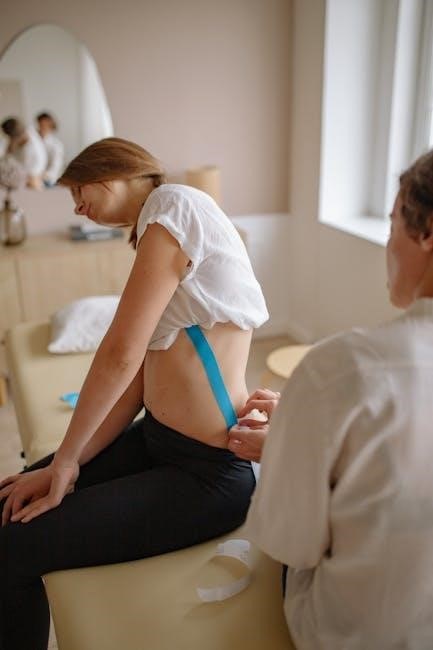
These techniques aren’t simply about deep breaths; they involve conscious effort to expand the rib cage asymmetrically. Patients learn to coordinate breathing with postural correction, actively engaging core muscles to stabilize the spine during inhalation and exhalation. PDF guides often illustrate specific breathing patterns for different curve types, detailing how to direct airflow to achieve optimal results.
The goal is to unlock the rib cage and create a more symmetrical breathing pattern, reducing spinal asymmetry. Mastering these techniques requires practice and feedback from a certified Schroth therapist. PDF materials serve as supplemental tools, reinforcing learned skills and providing a framework for home practice, but cannot replace personalized instruction.
Postural Correction with Schroth
Schroth therapy’s postural correction isn’t about rigidly “fixing” the spine, but rather about actively counteracting the scoliosis curve in three dimensions. PDF guides detail exercises designed to de-rotate, elongate, and stabilize the spine, utilizing a patient’s own muscle power. These aren’t standard stretches; they’re highly specific movements performed in corrected postures.
PDF resources illustrate how to achieve these postures, often using mirrors and tactile cues to enhance body awareness. Patients learn to actively engage core muscles to maintain the corrected position, resisting the natural tendency to revert to their scoliotic pattern. The exercises are performed while breathing in a specific manner (as detailed in breathing techniques), maximizing their effectiveness.
Postural correction is individualized, adapting to the curve’s location and severity. Schroth emphasizes active self-correction, empowering patients to take control of their posture throughout daily activities. PDF materials provide a visual reference, but skilled guidance from a certified therapist is crucial for proper execution and progression.
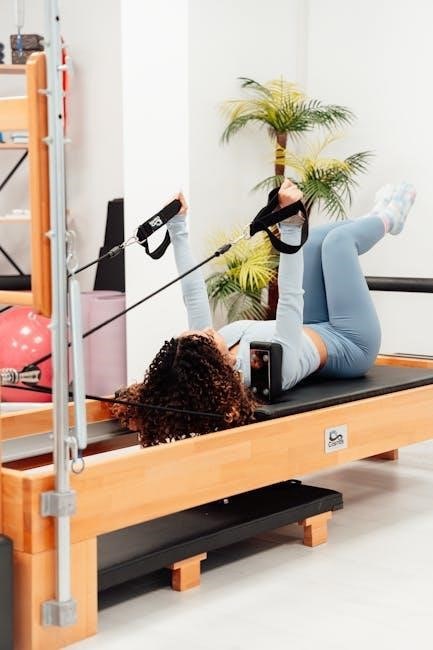
Other Effective Scoliosis Exercises
Explore supplemental exercises like side planks, cat-cow pose, and side bending, often detailed in PDF guides. These movements complement Schroth, enhancing core strength and spinal flexibility.
Side Plank Variations
Side plank variations are frequently included in scoliosis rehabilitation PDF guides as a cornerstone exercise for strengthening core muscles and improving spinal stability. The standard side plank, performed by supporting the body on one forearm and the side of one foot, engages the obliques, transverse abdominis, and gluteal muscles.
However, modifications cater to varying curve types and fitness levels. Modified side planks, performed with the bottom knee bent, reduce intensity. Dynamic side planks, involving hip dips, further challenge core control. Side planks with leg lifts increase difficulty.
PDF resources often illustrate proper form, emphasizing maintaining a straight line from head to heels and avoiding hip sagging. For individuals wearing a Milwaukee brace, specific side plank adaptations are outlined to ensure safe and effective exercise. These variations, when performed correctly, contribute to postural correction and pain reduction, integral components of a comprehensive scoliosis exercise program.
Cat-Cow Pose for Scoliosis
Cat-Cow pose, a gentle yet effective exercise, is frequently detailed in scoliosis rehabilitation PDF guides for its ability to improve spinal flexibility and awareness. This dynamic movement involves alternating between arching the back like a cat (Cat pose) and dropping the belly towards the floor (Cow pose), synchronized with breath.
For scoliosis, modifications are crucial. PDF resources emphasize performing the pose slowly and mindfully, focusing on moving each vertebral segment individually. Asymmetrical curves may require emphasizing the stretch on the concave side of the curve during the Cat pose and promoting expansion on the convex side during the Cow pose.
Dr. Charles Blum’s PDF specifically highlights this pose, providing instructions for enhancing its benefits. The goal isn’t simply to achieve a deep stretch, but to cultivate intervertebral mobility and body awareness, contributing to improved posture and reduced muscle tension, vital for managing scoliosis.
Side Bending and Spinal Lengthening
Side bending and spinal lengthening exercises are frequently included in scoliosis rehabilitation PDFs as foundational movements to address spinal asymmetry and improve postural control. These exercises aim to decompress the spine, increase flexibility, and strengthen the muscles supporting the spinal column.
PDF guides often illustrate variations, including standing or seated side bends, emphasizing controlled movements and mindful breathing. For individuals with scoliosis, the focus shifts to addressing the specific curve pattern. Lengthening exercises, such as gentle spinal extensions, are incorporated to counteract the compressive forces often associated with the curvature.
These exercises aren’t about forcing the spine into alignment, but rather about creating space and promoting balanced muscle activation. Resources like Dr. Charles Blum’s PDF demonstrate how to perform these movements correctly, ensuring they are tailored to the individual’s curve type and promoting a more balanced and functional spine.
Exercises for Milwaukee Brace Wearers
Scoliosis rehabilitation PDFs often dedicate sections to exercises specifically designed for patients wearing the Milwaukee brace. These exercises are crucial for maintaining muscle strength and preventing atrophy while the brace provides external support and correction. The goal isn’t to counteract the brace, but to optimize the body’s response to it.
Resources detail a series of movements, typically involving holding positions for a specific count (often five) and repeating them multiple times daily. These include exercises focusing on neck flexibility, shoulder blade retraction, and core engagement. PDF guides emphasize performing these exercises consistently, even with the brace on, to maintain a degree of active control.
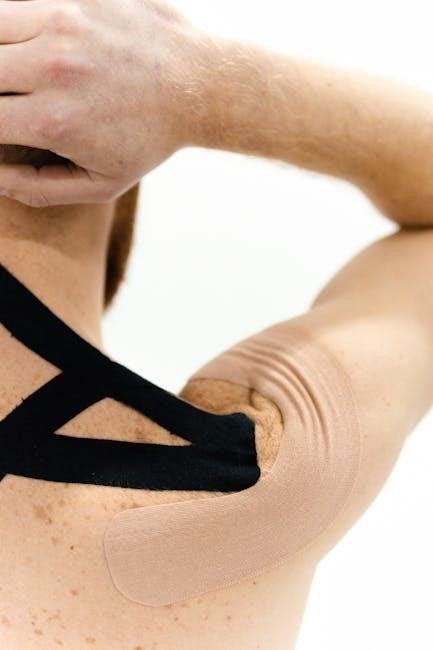
Exercises 7 and 8, frequently mentioned in these resources, are designed to be done frequently throughout the day, promoting ongoing muscle activation. It’s vital to follow the instructions provided in the PDF carefully and consult with a qualified practitioner to ensure proper form and avoid any discomfort or complications while wearing the brace.
Creating a Home Exercise Program
Utilize scoliosis PDF guides to build a consistent home program. Warm-up and cool-down routines are essential, and exercises should be modified based on individual curve types for optimal results.
Importance of Consistency
Maintaining a regular exercise routine is paramount when utilizing scoliosis rehabilitation exercises, particularly those found in PDF guides detailing methods like Schroth therapy. The benefits of these specialized movements aren’t realized through sporadic practice; instead, consistent application over time is crucial for achieving lasting postural corrections and improvements in spinal health.
Scoliosis-specific exercises (PSSE) work by retraining the muscles surrounding the spine to support a more balanced and aligned posture. This process requires repeated effort to overcome ingrained movement patterns and build new neuromuscular pathways. A PDF resource will often outline a specific frequency and duration for each exercise, and adhering to this schedule is vital.
Think of it like learning a new skill – you wouldn’t expect to master a musical instrument with only occasional practice. Similarly, consistent engagement with your home exercise program will yield significantly better outcomes. Even short, daily sessions are more effective than longer, infrequent ones. Downloadable PDFs can serve as a convenient reminder and guide, helping you stay on track and maximize the therapeutic benefits of your scoliosis rehabilitation journey.
Warm-up and Cool-down Routines
Prior to commencing any scoliosis-specific exercise regimen detailed in a PDF guide – whether Schroth method or other techniques – incorporating a proper warm-up is essential. This prepares your muscles for activity, increasing blood flow and flexibility, thereby minimizing the risk of injury. Gentle spinal mobility exercises, such as cat-cow stretches or pelvic tilts, are ideal warm-up components.
A well-structured warm-up should gradually increase your heart rate and range of motion. Similarly, a cool-down routine is equally important after completing your scoliosis exercises. This allows your body to gradually return to a resting state, preventing muscle soreness and promoting recovery.
Cool-down exercises might include gentle stretching, holding each stretch for 20-30 seconds. PDF resources often provide specific recommendations for warm-up and cool-down exercises tailored to the scoliosis exercises themselves. Remember, these routines aren’t merely add-ons; they are integral parts of a safe and effective scoliosis rehabilitation program, maximizing benefits and protecting your spinal health.
Modifying Exercises for Different Curve Types
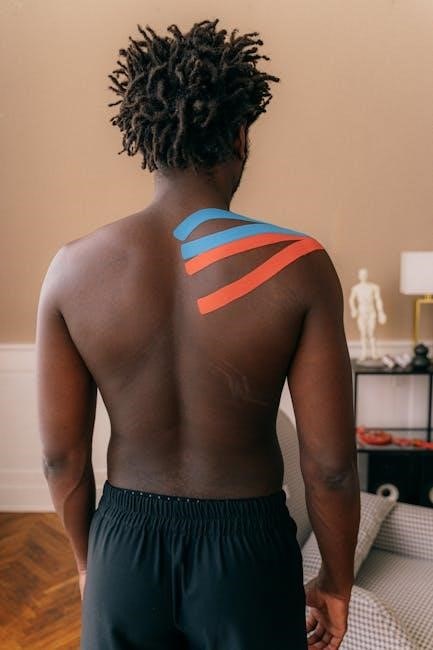
Scoliosis presents uniquely in each individual, with varying curve patterns – thoracic, lumbar, or thoracolumbar – and degrees of severity. Therefore, a one-size-fits-all approach to exercise, even when following a PDF guide, is ineffective and potentially detrimental. Schroth method exercises, and other PSSE techniques, require careful modification based on your specific curve type.
PDF resources dedicated to scoliosis rehabilitation often highlight these necessary adjustments. For example, exercises targeting a thoracic curve might emphasize rib cage mobilization and expansion, while those for a lumbar curve may focus on core stabilization and pelvic alignment; It’s crucial to understand how your curve impacts your breathing patterns and postural imbalances.
A qualified scoliosis practitioner can provide personalized modifications, ensuring exercises are performed correctly and effectively. Self-modification based solely on a PDF is discouraged without professional guidance. Always prioritize proper form and listen to your body, adjusting the intensity or range of motion as needed to avoid pain or discomfort.
Resources and Further Information
Explore downloadable scoliosis exercise PDFs and locate qualified practitioners specializing in Schroth therapy. Research scientific evidence supporting PSSE for effective rehabilitation strategies.
Finding Scoliosis Exercise PDFs
Locating reliable scoliosis exercise PDFs requires careful navigation, as the quality and accuracy of online resources can vary significantly. Several avenues offer valuable materials. Dr. Charles Blum’s website provides a PDF guide detailing exercises like the side opener, cat-cow pose, and side plank, focusing on postural improvement.
Furthermore, research institutions and physiotherapy clinics often publish PDF documents outlining Physiotherapeutic Scoliosis-Specific Exercises (PSSE) based on the Schroth method. These resources, like those from Teesside University, delve into the benefits, aims, and scientific evidence supporting PSSE. A search for “Scoliosis exercises PDF” will yield numerous results, but prioritize sources from reputable medical organizations or qualified practitioners.
Specifically, materials detailing exercises for patients wearing the Milwaukee brace are available in PDF format, outlining specific movements to be performed daily. Always consult with a healthcare professional before starting any new exercise program, ensuring the chosen PDF aligns with your specific curve type and treatment plan. Remember to critically evaluate the source and ensure the information is current and evidence-based.
Qualified Practitioners and Clinics
Effective scoliosis rehabilitation, particularly utilizing Schroth method exercises, necessitates guidance from qualified practitioners. Seek out physical therapists specifically certified in Schroth therapy; these professionals undergo specialized training to understand the intricacies of scoliosis-specific exercise (PSSE). Locating a certified practitioner ensures you receive a tailored program addressing your unique curve pattern and needs.
Clinics specializing in scoliosis treatment often employ a multidisciplinary approach, integrating PSSE with other therapies. Researching clinics with experienced teams is crucial. Online directories and referrals from physicians can aid in finding reputable centers. Consider clinics offering comprehensive assessments and ongoing monitoring to track progress.
Beyond Schroth-certified therapists, experienced physiotherapists with a strong understanding of spinal biomechanics can also provide valuable support; Always verify a practitioner’s credentials and experience before commencing treatment. Remember, a personalized exercise program, delivered under the supervision of a qualified professional, is paramount for achieving optimal outcomes and preventing potential complications. Prioritize expertise and individualized care.
Scientific Evidence and Research

Growing body of research supports the efficacy of scoliosis-specific exercises (PSSE), like the Schroth method, in improving spinal curvature and quality of life. Studies demonstrate that PSSE can reduce curve progression, enhance respiratory function, and alleviate pain in adolescent idiopathic scoliosis (AIS) patients. Literature reviews consistently highlight the benefits of a proactive, exercise-based approach.
Research indicates that PSSE impacts spinal stability by strengthening core muscles and improving postural awareness. PDF resources often cite studies showcasing the effectiveness of these techniques. However, it’s important to note that research is ongoing, and the optimal exercise protocol may vary depending on curve type and severity.
Current investigations explore the long-term effects of PSSE and its potential to delay or avoid surgical intervention. Evidence suggests that consistent adherence to a prescribed exercise program is crucial for achieving positive results. Accessing peer-reviewed articles and guidelines provides a deeper understanding of the scientific basis for scoliosis rehabilitation exercises. Continued research will refine treatment strategies.